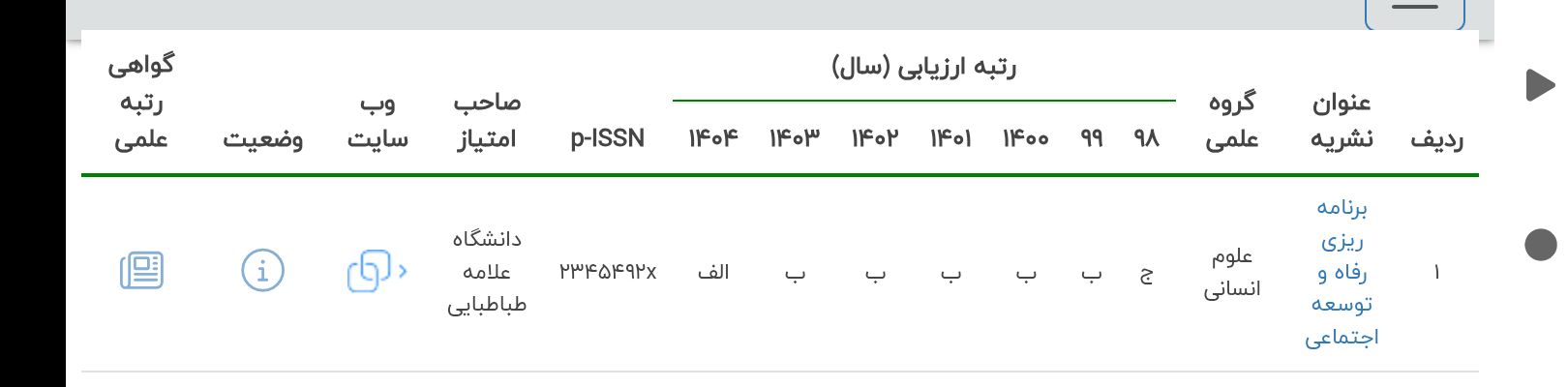
نشریه برنامه ریزی رفاه و توسعه اجتماعی یک نشریه با داوری بسته و دوسو ناشناس و با دسترسی آزاد است که از سوی دانشگاه علّامه طباطبائی به عنوان دانشگاه پیشرو در علوم انسانی و اجتماعی در ایران منتشر می شود. این نشریه به منظور فراهم نمودن محیط فکری برای پژوهشگران ملّی و بین المللی با تمرکز بر مباحث رفاه اجتماعی پایه گذاری شده است. این نشریه در پاسخ به پیشرفت های صورت گرفته در حوزه رفاه اجتماعی انتشار یافته و هدف آن انتشار مقالات با کیفیت که یافته های مرتبط با موضوعات مهم رفاه اجتماعی را گزارش می دهند می باشد.
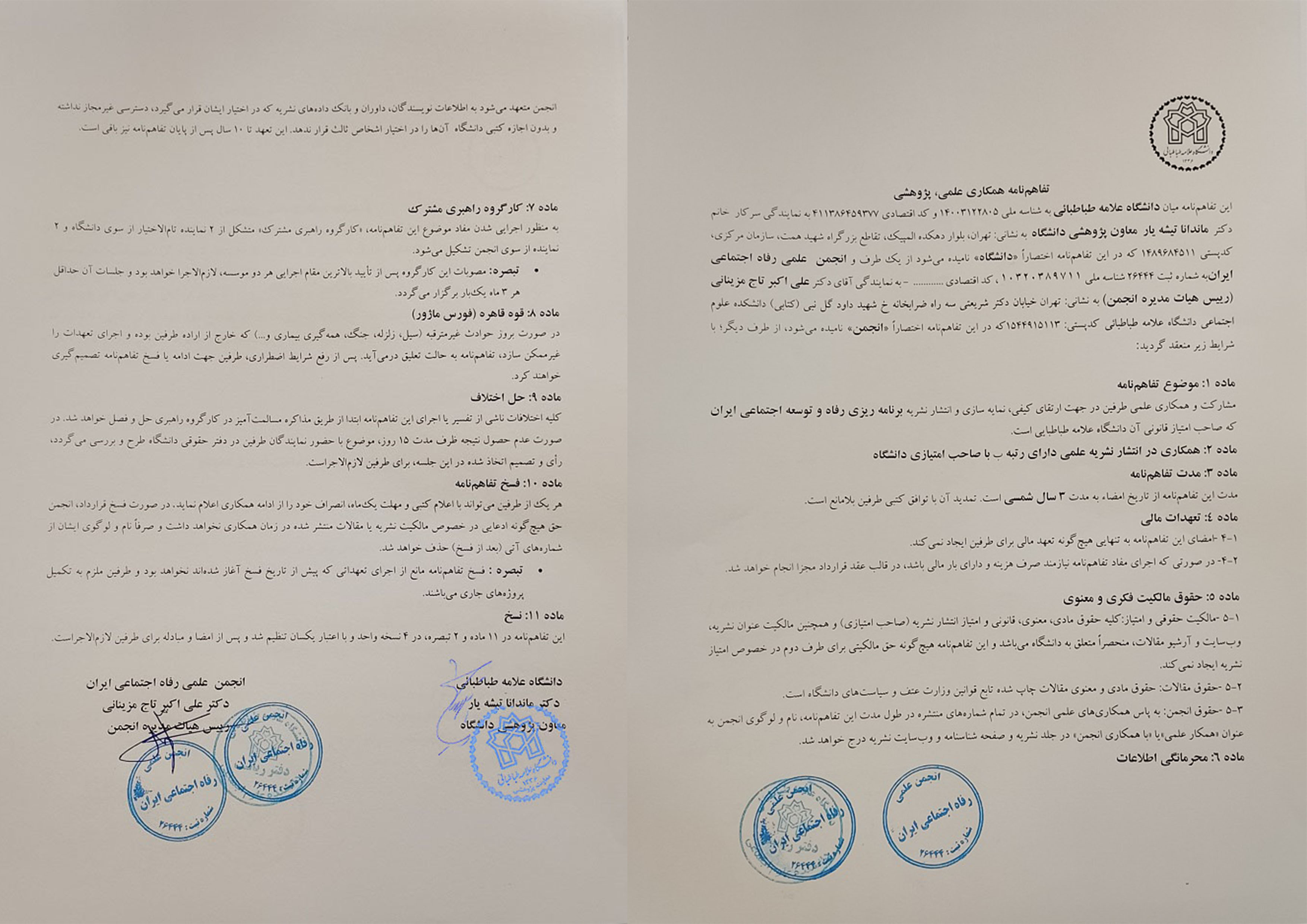
این نشریه دارای درجة علمی– پژوهشی مصوب (2197/11/3 مورخ 24/12/88) وزارت علوم، تحقیقات و فناوری است و در قالب تفاهم نامة همکاری بین دانشگاههای اصفهان، الزهراء (س)، تربیت معلم، شیراز، فردوسی مشهد و محقق اردبیلی با دانشگاه علامه طباطبائی و با هدف گسترش همکاریهای علمی و پژوهشی منتشر میشود.
به منظور دسترسی آسان و جهانی به آخرین یافته های پژوهشی، این نشریه به عنوان یک نشریه دسترسی-آزاد پایه گذاری شده است.
نشریه مبلغ 200,000 تومان جهت داوری مقالات دریافت میکند.
از مقالاتی که پس از فرایند داوری،پذیرفته شوند،مبلغ 400/000 تومان بعنوان هزینه پردازش دریافت خواهد شد.
نشریه برنامه ریزی رفاه و توسعه اجتماعی به دو صورت چاپی و آنلاین منتشر می شود.
چکیده مشارکت افراد دارای معلولیت در سیاستگذاری عمومی از ارکان اساسی عدالت اجتماعی و توسعه پایدار است. اسناد بینالمللی مانند «کنوانسیون حقوق افراد دارای معلولیت» بر ضرورت مشارکت معنادار این افراد در فرایندهای تصمیمسازی تأکید دارند، اما شواهد جهانی حاکی از وجود چالشهای ساختاری و فرهنگی در تحقق آن است. این پژوهش با هدف شناسایی الگوها، موانع و راهکارهای ارتقای مشارکت افراد دارای معلولیت در سیاستگذاری، با روش مرور نظاممند کیفی و رویکرد فراترکیب انجام شد. تحلیل دادهها بر اساس الگوی هفتمرحلهای باروسو و ساندلوسکی(2006) و مطابق با دستورالعمل PRISMA 2020 صورت گرفت. جامعه پژوهش شامل مقالات علمی منتشرشده بین سالهای 2001 تا 2025 در پایگاههای معتبر داخلی و بینالمللی بود که در نهایت 47 مطالعه واجد شرایط برای تحلیل انتخاب شد. فرایند کدگذاری با استفاده از نرمافزار NVivo انجام شد و برای تعیین پایایی روش فراترکیب از روش پایایی بین کدگذاران استفاده شد. مقدار شاخص کاپای کوهن به دستآمده(78/0) نشاندهندۀ پایایی قابل قبول بین کدگذاران بود. تحلیل یافتهها نشان داد مشارکت افراد دارای معلولیت در سیاستگذاری در قالب الگوهای مستقیم، نهادی، مشورتی و فناوریمحور تحقق یافته است. با این حال، تداوم موانع قانونی، نگرشی، اقتصادی و بینسازمانی مانع از مشارکت برابر و مؤثر میشود. بر اساس نتایج، اصلاح ساختارهای نهادی، بهرهگیری از فناوریهای دسترسپذیر و آموزش سیاستگذاران از راهکارهای کلیدی ارتقای مشارکت معنادار است. واژگان کلیدی: افراد دارای معلولیت، حقوق معلولان، مشارکت، سیاستگذاری اجتماعی، فراترکیب.
مهدی دل آرا، عباس عباس پور، صمد برزویان، مرتضی طاهری، حسین عبداللهی
چکیده هدف این پژوهش بررسی عوامل مؤثر بر توسعه حرفهای کارکنان آموزش عالی با رویکرد دادهبنیاد بود. نمونهگیری به صورت هدفمند انجام شد. دادهها از طریق مصاحبههای نیمهساختاریافته با 14 نفر از صاحبنظران حوزه توسعه حرفهای جمعآوری و با استفاده از فرایند کدگذاری باز، محوری و انتخابی تحلیل شدند. مولفههای کلیدی توسعه حرفهای شامل یادگیری و رشد فردی، حمایت و ساختار سازمانی، و انطباق با تحولات فناورانه و همچنین، عوامل علی توسعه حرفهای در سه دسته منابع و زیرساختها، تعاملات و شبکهسازی، و انگیزش و فرصتها شناسایی شدند. عوامل زمینهساز شامل رفتار حرفهای کارکنان و تیپهای شخصیتی-اجتماعی و راهبردهای توسعه حرفهای در محورهای برنامهریزی و مشاوره حرفهای و انگیزش و توانمندسازی دستهبندی شدند. فناوری، پشتیبانی سازمانی و تجهیزات به عنوان عوامل مداخلهای تعیین و پیامدهای توسعه حرفهای بهبود عملکرد سازمانی، ارتقاء فرهنگ سازمانی، افزایش نوآوری و رضایت شغلی را در بر داشتند.نتایج نشان میدهند که توسعه حرفهای کارکنان میتواند بهعنوان عاملی کلیدی برای تحقق توسعه پایدار در آموزش عالی قلمداد شودو سرمایهگذاری بر ارتقای توانمندی کارکنان، زمینهساز توسعه سازمانی و به تبع آن، دستیابی به اهداف کلان توسعه پایدار در ابعاد اجتماعی، فرهنگی و اقتصادی خواهد بود. لذا پیشنهاد میشود تقویت زیرساختهای فناوری، برنامههای مشاوره تخصصی و نهادینهسازی فرهنگ یادگیری در سازمانها، بهعنوان راهبردی بنیادین در مسیر تحقق همزمان توسعه حرفهای و توسعه پایدار دنبال شود.
واژگان کلیدی: توسعه حرفهای کارکنان، آموزش عالی، توسعه پایدار
کیمیا واعظی، منصور فتحی، حجت الله میرزایی، حمیده عادلیان راسی
چکیده نظر به اینکه اشتغال غیررسمی پیامدهای متعددی بر فقر و توزیع درآمد برجای میگذارد، لذا شناخت عوامل موثر بر آن اهمیت مییابد؛ بنابراین هدف از مطالعه حاضر شناخت عوامل موثر بر اشتغال غیررسمی در مناطق مرزی ایران بود. این مطالعه فراترکیب با روش شش مرحلهای والش و دان (2005) انجام گرفت. 2024 مقاله از پایگاههای مختلف داده بازیابی شد که از این تعداد 15 مقاله مطابق با اهداف پژوهش مورد استفاده قرارگرفت. یافتهها نشان داد که عوامل مختلفی از جمله ماهیت مشاغل غیررسمی، شرایط فرهنگی- اجتماعی، عوامل اقتصادی، عوامل نهادی، وضعیت جغرافیایی و عوامل برون مرزی در اشتغال غیررسمی در مناطق مرزی ایران نقش دارد. نتایج حاکی از آن بود عواملی که افراد را به کار غیررسمی ترغیب میکند، متنوع و ناهمگن هستند. این ناهمگونی نه تنها از ماهیت مشاغل غیررسمی بلکه از عواملی که زمینهساز و ایجاد کننده اشتغال غیررسمی در مناطق مرزی هستند ناشی میشود، بنابراین لازم است در زمینه ایجاد فرصتهای اشتغالزایی، بهبود محیط کسب و کار، تغییر رویکرد نهادهای متولی و بهبود روابط کشورهای همسایه در خصوص تقویت سیاستگذاری تجاری در مناطق مرزی تدابیری اندیشیده شود. بنابراین لازم است در زمینه ایجاد فرصتهای اشتغالزایی، بهبود محیط کسب و کار، تغییر رویکرد نهادهای متولی و بهبود روابط کشورهای همسایه در خصوص تقویت سیاستگذاری تجاری در مناطق مرزی تدابیری اندیشیده شود.
پری ناز بیدل، علی یوسفی، احمد رضا اصغر پور ماسوله، فرنوش فلاح پور
چکیده تابآوری اجتماعی– اکولوژیک مفهومی کلیدی در درک پویایی جوامع وابسته به منابع طبیعی است که توانایی یک سیستم را برای جذب اختلالات، سازگاری با تغییرات و بازسازماندهی در مسیر دستیابی به وضعیت مطلوبتر بیان میکند. این پژوهش با هدف شناسایی بنیانهای نظری و روششناختی مطالعات مربوط به تابآوری در جوامع مبتنی بر منابع، با بهرهگیری از مرور نظاممند و چارچوب پریزما انجام شد. بدین منظور ۲۰ مورد مطالعهی معتبر بینالمللی در بازهی زمانی ۲۰۰۰ تا ۲۰۲۳ تحلیل گردید. یافتهها نشان داد که اغلب پژوهشها بر رویکرد تکاملی و نظریه چرخهی تطبیقی استوارند و تابآوری را فرآیندی چندبعدی شامل ابعاد زیست محیطی، اقتصادی، اجتماعی، انسانی، فرهنگی و نهادی میدانند که در چهار مرحلهی رشد، حفاظت، فروپاشی و بازسازماندهی رخ میدهد. از دید روششناختی، بیشتر مطالعات از روشهای کمی مانند تحلیل مؤلفههای اصلی (PCA) و مدلسازیهای مکانی مبتنی بر GIS بهره بردهاند و در مقابل، پژوهشهای کیفی با رویکرد استقرایی و تحلیل تم به واکنشهای تابآورانه جوامع پرداختهاند. نتایج حاکی از آن است که با وجود غنای نظری مدل چرخهی تطبیقی، شکاف قابل توجهی میان مفاهیم نظری و سنجش تجربی تابآوری وجود دارد و ادغام ابعاد اجتماعی، نهادی و فرهنگی در مدلهای موجود ضروری است. این مطالعه با برجستهسازی خلأ پژوهشی در زمینه تابآوری جوامع معدنی، ضرورت توسعهی چارچوبهای بومی و میانرشتهای را برای تحلیل و تقویت تابآوری در ایران پیشنهاد میکند.
چکیده دکتر فرامرز صحرایی ،دکتر اسلام کریمی ، دکتر مجتبی عباسی قادی چکیده پژوهش حاضر درصدد بررسی تاثیر رضایت مندی نسبت به کیفیت خدمات دهی بر اعتماد نهادی اعضاء صندوق های قرض الحسنه تک شعبه ای با میانجیگیری درک عدالت از سوی گیرندگان خدمت (مطالعه موردی: اعضاء صندوق قرض الحسنه شاهد) بوده است. از این منظر از راهبرد پژوهش کمی و از نوع مطالعه پیمایشی استفاده شده است. بدین ترتیب که داده های پژوهش از روی381 نفر از اعضاء صندوق قرض الحسنه شاهد در 32 منطقه خدمتی که در نیمه نخست سال1403 تسهیلات دریافت نمودند؛ با استفاده از فرمول نمونه گیری کوکران و شارپ و نیز روش نمونه گیری طبقه ای انتخاب شده بودند؛ گردآوری و مورد تحلیل قرار گرفته است. یافته های توصیفی پژوهش نشان داد که شاخص کل متغیرهای اعتماد نهادی اعضاء با میانگین 36.638 ( و با خط برش24 )، رضایت مندی اعضاء با میانگین84.564 (و با خط برش63) و نیز درک عدالت از سوی اعضاء با میانگین27.357 ( و با خط برش18 ) در سطح مطلوبی قرار دارند. علاوه بر آن، یافته های استنباطی تحقیق و از نوع مدل یابی معادلات ساختاری نشان داد که مدل تجربی ساختاری(مسیر) و اندازه گیری انعکاسی رضایت مندی اعضاء ایثارگری نسبت به کیفیت خدمات دهی صندوق قرض الحسنه شاهد از برازش و همانندی لازم با مدل نظری برخوردار می باشد.
چکیده میزان مشارکت اجتماعی افراد جامعه به طور چشمگیری در تحقق زندگی بهتر و ایجاد جامعه توسعهیافتهتر تأثیر دارد . این مشارکت، خصوصاً اگر به صورت سازمانیافتهای انجام شود، از بیاعتنایی، تکروی و از خودبیگانگی اجتماعی و فرهنگی جلوگیری میکند؛ سبب کاهش نابرابری اجتماعی میشود؛ و نیروی همبستگی و وحدت ملی را تقویت میکند. تشکلهای مردمنهاد با جلب مشارکت عمومی در راستای اهداف بشردوستانه و کاهش آسیبهای اجتماعی گام برمیدارند. پرسش اصلی پژوهش حاضر این است که چه مسائل و چالشهایی مانع این مشارکت مردمی و در نتیجه فاصله گرفتن سازمانهای غیردولتی از اهداف مهم خود میشود. روش مورد استفاده در این پژوهش مبتنی بر روششناسی کیفی و از نوع «تحلیل مضمون» میباشد. برای جمعآوری دادهها در این پژوهش با 27 نفر از فعالان مدنی، با سابقه همکاری با سازمانهای مردمنهاد با روش نمونهگیری هدفمند مصاحبه عمیق نیمهساختاریافته صورت گرفت و در نهایت تعدادی مضمون پایه، سازماندهنده و فراگیر بدست آمد. طبق یافتهها چهار دسته مسئله شامل «چالشهای ساختاری/ محیطی»، «چالشهای سازمانی/ پیرامونی»، «چالشهای راهبردی»، «چالشهای پیامدی» احصاء شد. همچنین اصلیترین چالش پیش روی سمنها برای جلب مشارکت عمومی به عنوان مضمون محوری «همراهسازی ناقص» نام گرفت. این پدیده بدین موضوع اشاره دارد که هرچند سمنها افرادی را با خود همراه ساخته و با کمک آنها سعی در کاهش آسیبها و مسائل اجتماعی دارند، اما این همراهی نه عموم جامعه بلکه گروههای معدودی را درگیر مینماید.
چکیده پژوهش حاضربا هدف تدوین مدل کیفی امید اجتماعی ایثارگران استان کردستان انجام شده است. روش تحقیق کیفی و باشیوه تحلیل تم (مضمون) اجرا شده است. جامعه هدف در پژوهش جامعه ایثارگران استان کردستان می باشد .روش پژوهش برحسب هدف کاربردی؛ برحسب نوع داده، کیفی از نوع اکتشافی می باشد. یافته های پژوهش برپایه مصاحبه نیمه ساختاریافته با نخبگان ،تم های اصلی و فرعی بر اساس کد گذاری ها وتحلیل تم ومضامین استخراج شده است . در مرحله اول با استفاده از مصاحبه نیمه ساختاریافته با کارشناسان خبره و اساتید دانشگاه و ایثارگران و جانبازان به تعداد 20نفر به روش هدفمند تا مرحله اشباع نظری به شناسایی مولفه های موثر بر تدوین مدل کیفی امید اجتماعی ایثارگران استان کردستان پردازش گردید. با استفاده از کدگذاری ،استخراج کدها و مولفه های اصلی و فرعی پژوهش تعیین گردید. جهت تجزیه و تحلیل داد ه ها از نر م افزار (MAXQDA) استفاده شده است. یافته های تحقیق بیانگر یازده(11) مولفه اصلی و(37تم فرعی)شامل: تم وضعیت اقتصادی ، تم بی عدالتی و احساس نابرابری است و تم عدم رضایت از زندگی ، بهداشت روان و پیشگیری از آسیب ها ی اجتماعی ، تم اشتغال ، تم دینداری، تم شایسته سالاری ، احساس بی قدرتی، تم امنیت ، تم اعتماد اجتماعی می باشد .
سودابه خسروپور، محمدحسین اسدی داودآبادی، امید علی احمدی، علی روشنایی
چکیده چکیده: تحقیق حاضر با هدف مطالعه نقش برنامه های توسعه بر عدالت جنسیتی و میزان توزیع فرصتهای زندگی در زنان قزوین در سال 1398 به انجام رسیده است. در این مطالعه کیفی از روش تماتیک استفاده شده است. جامعه آماری پژوهش محتوای شش برنامه توسعه ای ایران و آمار و شاخص های مربوط به وضعیت زنان در استان قزوین می باشد.نمونه آماری شامل تمامی بندها و مواد محتوای شش برنامه بود که در مورد زنان یا واژه مترادف آن بود. در این پژوهش، محتوای شش برنامه توسعه ای مورد بهره برداری قرار گرفت. به منظور تحلیل داده ها از روش تحلیل تمانیک استفاده شد. در مرحله اول 71 کد اولیه، در مرحله دوم 26 تم فرعی و در مرحله سوم 6 تم اصلی سلامت، آموزش، اجتماعی- سیاسی، اشتغال، فرهنگی و رفاه و حمایت اجتماعی)شناسایی شد. یافته ها در خصوص وضعیت زنان استان قزوین حاکی از این است که هرچه از برنامه اول به سمت ششم حرکت می کنیم، مواد قانونی بیشتری با رویکرد جنسیتی مشاهده میشود. هر چند واقعیت های رخ داده در دوره های اجرای برنامه های توسعه با روح کلی حاکم بر برنامه همخوانی ندارد و از این لحاظ خصوصاً در عرصه اشتغال و سیاست در نقطه مقابل اهداف برنامه توسعه ای قرار گرفته است اما نمیتوان از دست آوردهای زنان در زمینه آموزش چشم پوشید.
چکیده عدالت رفاهی یکی از ارزشهای حرفه مددکاری اجتماعی است و در بسیاری از اسناد حرفهای و سیاستهای اجتماعی بهعنوان مبنای تحقق عدالت اجتماعی مطرح میشود. با این حال، پیامدهای رویکردهای مختلف رفاه اجتماعی برای مداخلات حرفهای مددکاران اجتماعی و جهتگیری سیاستهای اجتماعی کمتر بهطور نظاممند بررسی شده است. پژوهش حاضر با هدف تحلیل مفهوم عدالت رفاهی از منظر مددکاری اجتماعی و بررسی پیامدهای دو رویکرد اصلی رفاه اجتماعی، یعنی رویکرد پسماندی و رویکرد نهادی، انجام شد. این مطالعه با رویکرد کیفی و با استفاده از روش تحلیل محتوای اسنادی انجام شد. دادههای پژوهش از ده سند کلیدی بینالمللی در حوزه اخلاق حرفهای مددکاری اجتماعی، حقوق اجتماعی و سیاستهای رفاهی استخراج و تحلیل شد. یافتهها نشان داد که پنج تم اصلی در تبیین عدالت رفاهی قابل شناسایی است: شکاف ادراکی میان برداشت عمومی از رفاه اجتماعی و واقعیت ساختاری نظامهای رفاهی، ساختار چندسطحی و اقتصاد مختلط رفاه، نقش نهادهای غیرانتفاعی در ارائه خدمات اجتماعی، پیامدهای جهانیشدن برای شکلگیری نابرابریهای اجتماعی نوین، و نقش نهادهای بینالمللی در حکمرانی رفاه. نتایج تحلیل نشان میدهد که رویکردهای نهادی، با تأکید بر حقمحوری، فراگیری خدمات اجتماعی و مسئولیتپذیری دولت در تأمین رفاه عمومی، ظرفیت بیشتری برای تحقق عدالت رفاهی و ارتقای اثربخشی مداخلات مددکاری اجتماعی دارند. این پژوهش با ارائه مدل مفهومی «حکمرانی چندلایه رفاه» به توسعه ادبیات نظری عدالت اجتماعی و سیاستهای رفاهی در حوزه مددکاری اجتماعی کمک میکند.
چکیده شناخت ابعاد ظرفیت دولت در ایران واجد اهمیت فراوانی است چراکه پس از پیروزی انقلاب اسلامی و استقرار نظام جمهوری اسلامی ایران و متعاقب آن شروع جنگ تحمیلی، تمرکز دولت بر بسیاری از صنایع و فعالیت های اقتصادی کشور اجتناب ناپذیر بود. هدف از انجام پژوهش حاضر، بررسی علل ناکارآمدی دولت ج. ا ایران در شکلگیری و حمایت از بخش خصوصی مستقل در بازه زمانی 1384 تا 1392 است. در این تحقیق از تکنیک اسنادی به منظور گردآوری دادهها و از روش تحلیل علّی (تکنیک ردیابی فرآیند) به منظور تعیین تأثیرأت متغیرهای تحقیق استفاده شده است. نتایج پژوهش نشان میدهد ساختار سیاسی به وجود آمده پس از پیروزی انقلاب 57، با توزیع نابرابر ثروت و ایجاد رانت بین گروههای نزدیک به فضای فکری خود، دیگر گروههای اجتماعی و سیاسی را از گردونه رقابت خارج کرد و این روند حذفی به مرور به انسداد سیاسی ختم گردید. نتیجه چنین روندی، ابزار گونه شدن دولت در دستان گروههای اجتماعی خاص بهمنظور حفظ و گسترش منافع خود خواهد بود. انسداد سیاسی به وجود آمده در عرصه اقتصادی از طریق مؤلفه هایی چون تضاد منافع گروه های خاص، مخدوش سازی قوانین و مقررات و نبود شفافیت در سازوکارهای قانونی رقابت، دنبال و منجر به شکلگیری انحصار و ناکارآمدی دولت شد؛ تداوم چنین روندی، شکل گیری بخش خصوصی کارآمد در کشور را با مشکلات جدی رو به رو ساخته است.
چکیده گردشگری دسترسپذیر شاخهای از گردشگری پایدار است که بر ایجاد فرصتهای برابر برای افراد دارای معلولیت در دسترسی به جاذبهها و خدمات گردشگری تمرکز دارد. این پژوهش با هدف شناسایی محور مناسب گردشگری دسترسپذیر در شهر شیراز و تدوین برنامه عملیاتی برای مشارکت این گروه انجام شد. طبق گزارش سازمان بهداشت جهانی، حدود 1.3 میلیارد نفر در جهان و بر اساس آمار سازمان بهزیستی ایران (1398)، بیش از 11 میلیون نفر در ایران با معلولیت زندگی میکنند که به دلیل موانع کالبدی، اقتصادی، اجتماعی و فرهنگی از گردشگری محروم هستند. این مطالعه با روش ترکیبی (کیفی و کمی)، از طریق مصاحبه با 15 خبره، مشاهدات میدانی و بررسی اسناد در منطقه تاریخی زندیه (ارگ کریمخان، حمام وکیل، مسجد وکیل و بازار وکیل) انجام شد. یافتهها نشان داد موانع اصلی شامل پلههای غیراستاندارد، نبود رمپ و علائم لمسی/صوتی، هزینههای بالای سفر و نگرشهای تبعیضآمیز است. منطقه زندیه به دلیل تمرکز جاذبههای تاریخی و قابلیت مناسبسازی بهعنوان محور پیشنهادی انتخاب شد. برنامه عملیاتی در پنج محور شامل آسیبشناسی، تدوین سیاستهای دسترسپذیری، مناسبسازی زیرساختی، طراحی تورهای دسترسپذیر و نظارت مستمر طراحی شد. همچنین، حفاظت از اماکن تاریخی و همکاری با سازمانهای بینالمللی مانند UNWTO پیشنهاد شد. این پژوهش با ارائه راهکارهای عملی، شیراز را بهعنوان مقصدی پیشرو در گردشگری دسترسپذیر معرفی میکند که میتواند الگویی برای سایر شهرهای ایران باشد.
چکیده عصر سلجوقیان بزرگ از دورههایی است که در آن سه سنت معرفتی و فکری ایرانی، اسلامی و ترکی در بستر واحد حکمرانی با یکدیگر همنشین شده و در شکلدهی به ساختارهای سیاسی، اجتماعی و فرهنگی نقش ایفا کردهاند. پژوهش حاضر با هدف بررسی بازتاب اندیشه خدمات اجتماعی در پرتو این منابع فکری انجام شده و در پی پاسخ به این پرسش است که تکثر این منابع، چگونه در شکلگیری الگوی خدمات اجتماعی در دوره سلجوقیان انعکاس یافته است. رویکرد پژوهش توصیفی ـ تحلیلی است و در آن از روش تحلیل تاریخی برای بررسی منابع اندرزنامهای، متون اسلامی و میراث مکتوب ترکی استفاده شده است.یافتههای پژوهش نشان میدهد که اندیشه خدمات اجتماعی در عصر سلجوقیان حاصل تعامل این سه سنت فکری است، که با کارکرد متفاوت، در شکلگیری اندیشه خدمات اجتماعی نقش داشتهاند؛ بهگونهای که آموزههای اسلامی بنیانهای ارزشی خدمات اجتماعی را فراهم میکرد، تجربه دولتداری ایرانی بیشترین سهم را در ساماندهی سازوکارهای اداری و سیاستگذاری اجتماعی داشت و میراث سیاسی ـ نظامی ترکها زمینه اجرایی و قدرت لازم برای تحقق این سیاستها را مهیا میساخت. با وجود این تفاوتها، مطالعه تطبیقی منابع بیانگر آن است که مفاهیمی چون عدالت اجتماعی، رفاه عمومی، حمایت از اقشار آسیبپذیر، تعاون و حفظ امنیت اجتماعی بهعنوان محورهای مشترک میان این سنتها عمل کرده و مبنای شکلگیری الگویی چندبعدی و منسجم از خدمات اجتماعی در ساختار حکمرانی سلجوقیان شده است.
چکیده با گسترش فعالیت صنایع و افزایش انتظارات جوامع محلی از نقشآفرینی اجتماعی بنگاههای اقتصادی، مسئولیت اجتماعی شرکتها به یکی از مهمترین سازوکارهای تحقق پایداری اجتماعی و تقویت روابط میان صنعت و جامعه تبدیل شده است. با این حال، چگونگی سیاستگذاری اثربخش مسئولیت اجتماعی و همسوسازی آن با نیازها و اولویتهای جوامع میزبان همچنان از چالشهای مهم این حوزه است. پژوهش حاضر با هدف ارائه مدل سیاستگذاری مسئولیت اجتماعی شرکت فولاد گهرزمین در بردسیر برای تحقق پایداری اجتماعی انجام شد. این پژوهش با رویکرد آمیخته اکتشافی و با بهرهگیری از چارچوب تحلیل سیاست والت -گیلسون صورت گرفت. دادههای کیفی از طریق مصاحبههای نیمهساختاریافته با خبرگان حوزه صنعت، مدیریت، سیاستگذاری و توسعه محلی گردآوری و با روش تحلیل مضمون تحلیل شدند. در بخش کمی نیز دیدگاههای شهروندان و خبرگان درباره اولویتهای مسئولیت اجتماعی بررسی شد. یافتهها نشان داد سیاستگذاری اثربخش مسئولیت اجتماعی مستلزم توجه همزمان به چهار مؤلفه زمینه، بازیگران، فرایند و محتوای سیاست است. همچنین مشارکت ذینفعان، شفافیت، اعتمادسازی اجتماعی، نیازسنجی محلی و ارزیابی مستمر از مهمترین الزامات این فرایند به شمار میآیند. بر اساس یافتهها، مدلی برای سیاستگذاری مسئولیت اجتماعی ارائه شد که از یک سو میتواند به تقویت سرمایه اجتماعی، ارتقای کیفیت زندگی و تحقق پایداری اجتماعی در جوامع میزبان صنایع کمک کند و از سوی دیگر به غنای ادبیات سیاستگذاری مسئولیت اجتماعی و پایداری اجتماعی بهویژه در کشورهای در حال توسعه، کمک کند.
مریم ابراهیمی، افشین متقی، حسین همتی فر، شاهرخ فرخ
چکیده مهاجرت نخبگان نشاندهنده یک چالش راهبردی حیاتی برای ایران است. که ظرفیت کشور برای توسعه پایدار را تهدید میکند. این پژوهش با هدف شناسایی و تحلیل پیامدهای بلندمدت تداوم روند فرار سرمایه انسانی از منظر آیندهپژوهی انجام شده است. مطالعه حاضر از یک طرح تحقیق کیفی مبتنی بر روششناسی چرخ آینده بهره گرفته است . جامعه آماری شامل متخصصان موضوعی بود که از میان آنها، نمونهای متشکل از پانزده نفر با استفاده از روش نمونهگیری هدفمند انتخاب شدند. دادهها از طریق پروتکل مصاحبه چرخ آینده محققساخته گردآوری شدند و یافتهها با استفاده از تحلیل محتوای کیفی مورد پردازش و بررسی قرار گرفتند. یافتهها نشاندهنده چندین پیامد کلیدی مرتبه اول بود که در حوزههای علمی-فناورانه، اقتصادی، اجتماعی-فرهنگی و حکمرانی دستهبندی شدند. پیامدهای مهم شامل افول نظام پژوهش ملی، رکود فناورانه، فرسایش سرمایه اجتماعی و تضعیف کارآمدی حکمرانی است که هر یک منجر به بروز پیامدهای پسین عمیقتری میشود. نتایج پژوهش حاضر نشان داد که تداوم مهاجرت نخبگان به عنوان یک فرایند سیستماتیک و یک چرخه بازخوردی منفی عمل میکند که منجر به تضعیف مستمر ساختارهای مولد کشور میشود. در نهایت، این روند به طور معناداری توانایی کشور را برای مقابله با چالشهای آتی و دستیابی به اهداف توسعه پایدار محدود میسازد.
چکیده این مقاله با این پرسش آغاز میشود که چرا در جوامعی با پیشرفتهترین نهادهای رفاهی، با وجود بهبود شاخصهای نهادی رفاه، تجربه زیسته ناامنی افزایش مییابد؟ هدف پژوهش، تبیین این واگرایی از طریق بازسازی نظری رابطه میان سه سطح نهادی، تجربی و تخیلی رفاه است.
پژوهش در سنت بازسازی نظری انتقادی قرار دارد و در سه گام انجام شده است: تحلیل مفهومی سازههای کلیدی (رفاه، بحران، تخیل اجتماعی و امر ممکن)، تحلیل انتقادی نظریهها بر پایه نقش هر نظریهپرداز در تبیین سطوح مدل، و تلفیق مفهومی در قالب مدلی چرخهای. اعتبار تحلیل بر چهار معیار استوار است: انسجام مفهومی، کفایت تبیینی، سازگاری انتقادی و ظرفیت اکتشافی.
یافتهها نشان میدهد تناقضهای چهارگانه دولت رفاه (آزادی/وابستگی، کالاییزدایی/بازکالاییشدن، کاهش فقر/بازتولید فقر و دولت حداقلی/مداخلهگر) نه از منطق ذاتی دولت رفاه، بلکه از فشار بازکالاییساز نئولیبرالیسم بر سازوکارهای حمایتی آن ناشی میشوند و از طریق تضعیف ظرفیت آرزومندی جمعی، به انسداد تخیل اجتماعی میانجامند.
مقاله استدلال میکند که بازسازی رفاه مستلزم ترکیب سه مسیر بازطراحی نهادی، بازتولید اجتماعی و بازتعریف معیار رفاه است. بازتعریف معیار، محتملترین اما ضعیفترین مسیر، و بازتولید اجتماعی، بنیادیترین اما پرمقاومتترین مسیر است. در نتیجه، «امر ممکن رفاه» شرط لازم، اما نه کافی، برای بازسازی پایدار رفاه است و تعیین شرایط تحقق آن به پژوهشهای تجربی آینده واگذار میشود.
چکیده این پژوهش با هدف بازخوانی برنامههای اول تا ششم توسعه اقتصادی، اجتماعی و فرهنگی جمهوری اسلامی ایران، الگوی بازنمایی حقوق شهروندی را در مهمترین اسناد سیاستگذاری کشور بررسی میکند. پژوهش با رویکرد کیفی–کمی و با غلبه تحلیل کیفی انجام شده و چارچوب نظری آن بر تلفیق دیدگاههای مارشال، ترنر، تیلور و کیملیکا استوار است تا ابعاد مدنی، سیاسی، اجتماعی، اقتصادی و فرهنگی حقوق شهروندی بهصورت جامع تحلیل شود. دادهها از طریق تحلیل محتوای اسناد برنامههای توسعه گردآوری و با بهرهگیری از مقولهبندی پیشینی، کدگذاری، سنجش فراوانی و تحلیل درصدی ارزیابی شدهاند. یافتهها نشان میدهد که توجه به حقوق شهروندی در برنامههای توسعه از الگوی منسجم و متوازنی پیروی نکرده و میان ابعاد مختلف آن تفاوتهای قابلتوجهی وجود دارد. در اغلب برنامهها، حقوق اجتماعی، بهویژه آموزش، رفاه، اشتغال و عدالت اجتماعی، بیشترین سهم را به خود اختصاص دادهاند، درحالیکه حقوق مدنی، سیاسی، فرهنگی و اقتصادی حضوری محدودتر و نامتوازن داشتهاند. همچنین، روند تحولات برنامهها با مسیر تکاملی مورد انتظار مارشال و الگوی انسجام چندبعدی ترنر همخوانی کامل ندارد و رشد ظاهری بعد فرهنگی نیز بیش از آنکه بیانگر بازشناسی واقعی تنوع فرهنگی باشد، بر تثبیت هویت رسمی تأکید دارد. در مجموع، نتایج پژوهش بیانگر بازنمایی پراکنده، ناپیوسته و فاقد الگوی پایدار حقوق شهروندی در برنامههای توسعه جمهوری اسلامی ایران است و ضرورت بازنگری در سیاستگذاریهای توسعهای را آشکار میسازد.
چکیده رهاشدگی سالمندان در بیمارستانها دربستر چالش های سالمندی، تحولات خانواده، نارسایی نظام سلامت و کاستی های نظام رفاه و حمایت اجتماعی شکل می گیرد. نبود سازوکارهای حمایتی بین بخشی، ضرورت بازاندیشی درنقش مددکاری اجتماعی برای ارتقای رفاه سالمندان رها شده را برجسته کرده است. این پژوهش با هدف تبیین فرایند رهاشدگی سالمندان در بیمارستان و طراحی مدل مددکاریاجتماعی با رویکرد نظام رفاه و حمایت اجتماعی انجام شد. این مطالعه کیفی با رویکرد نظریه دادهبنیاد اشتروس و کوربین و از طریق مصاحبه نیمهساختاریافته با ۲۷ نفر شامل سالمندان رهاشده، اعضای خانواده و صاحبنظران در استان گیلان انجام و دادهها باکدگذاری نظاممند تحلیل شد. یافته ها نشان داد رهاشدگی سالمندان، حاصل تعامل موانع ساختاری، اقتصادی و حمایتی، فرسایش سرمایه اجتماعی، ناکارآمدی نظامهای حمایتی و رفاه اجتماعی است که در قالب فرایند «بازتولید چندسطحی رهاشدگی سالمندان» تداوم مییابد. نوآوری این پژوهش ارائه مدل نظری- کاربردی بومی مددکاری اجتماعی مبتنی بر توانمندسازی سالمندان، مدیریت جامع مورد و تقویت شبکه های حمایتی سالمندان رها شده در بیمارستان با توجه به نظام رفاه و حمایت اجتماعی است. در نتیجه این مدل، مبنایی برای تدوین دستورالعمل های بین بخشی و ارتقای سیاست های حمایتی برای استفاده سیاستگذاران حوزه سلامت، رفاه اجتماعی و مددکاران اجتماعی فراهم می آورد.
چکیده مسئله اصلی این پژوهش آن است که سرمایه جنسی زنان در بافت فرهنگی و سنتی دامغان فعال است و سرمایههای روانشناختی و اجتماعی میتوانند نقش تقویتکننده و تبیینکننده در این زمینه داشته باشند. هدف مطالعه، بررسی اثر این دو سرمایه در میان زنان ۱۵ تا ۷۵ ساله شهر دامغان بود. چارچوب نظری پژوهش بر مدل سرمایه روانشناختی لوتانز، نظریه سرمایه اجتماعی پاتنام و مؤلفههای سرمایه جنسی کاترین حکیم استوار است. روش پژوهش کاربردی–توصیفی تحلیلی بود و دادهها از ۵۵۰ زن از طریق نمونهگیری خوشهای تصادفی در محلههای مختلف دامغان و با استفاده از پرسشنامههای استاندارد مبتنی بر طیف لیکرت جمعآوری شد. پایایی کل ابزار برابر با 0.925 گزارش شد و تحلیلهای آماری با نرمافزار SPSS انجام گرفت. یافتههای توصیفی نشان داد میانگین سرمایه روانشناختی، اجتماعی و جنسی در سطح متوسط قرار دارد. تحلیل مسیر نشان داد سرمایه روانشناختی اثر مستقیم معناداری بر سرمایه اجتماعی دارد (β = 0.52) و سرمایه اجتماعی نیز سرمایه جنسی را تقویت میکند (β = 0.48). همچنین با ورود سرمایه اجتماعی به مدل، اثر مستقیم سرمایه روانشناختی بر سرمایه جنسی کاهش یافت (β = 0.21) و آزمون سوبل میانجیگری سرمایه اجتماعی را تأیید کرد (Z = 4.92). برآیند نتایج نشان میدهد در ساختار سنتی دامغان، سرمایه روانشناختی محرک اولیه توانمندسازی زنان است، اما فعال شدن سرمایه جنسی تنها در بستر شبکههای اجتماعی مشروعیتیافته امکانپذیر میشود.
چکیده این پژوهش باهدف واکاوی تجربههای زیسته زنان روستایی مشارکتکننده در این طرح و شناسایی تأثیرها، چالشها و مطالبههای سیاستی آنان انجام شده است. پژوهش با رویکرد کیفی و روش تحلیل مضمون در روستاهای شهرستانهای دماوند و فیروزکوه انجام شد. دادهها از طریق مشاهده مشارکتی و ۱۵ مصاحبه نیمهساختاریافته گردآوری و با نرمافزار MAXQDA تحلیل شدند. یافتهها در چهار مضمون اصلی شامل فرآیند تبدیل منابع به عاملیت و دستاوردهای فردی، شغلی و اجتماعی، دستاورد توازن قدرت، جنسیت و مکانمندی چالشهای اشتغال، و انتظارات سیاستی طبقهبندی شدند. نتایج نشان دادند که دسترسی زنان به سرمایههای مالی و غیرمالی، در تعامل با گروههای خودیار و حمایت تسهیلگران، از طریق ایجاد فرصتهای اقتصادی، گسترش شبکههای اجتماعی، افزایش کنترل بر منابع و تقویت توان زنان به شکلگیری و تقویت عاملیت منجر شده و در برخی موارد روابط قدرت در خانواده و جامعه محلی را تغییر داده است. پژوهش با اتکا به مدل توانمندسازی کبیر سه سهم نظری ارائه میکند. نخست بسط این مدل در زمینه فرهنگی اجتماعی جامعه مورد بررسی از طریق تبیین سازوکارهای تبدیل منابع به عاملیت و شرایط زمینهای مؤثر بر تبدیل عاملیت به دستاورد، دوم نشان دادن نقش گروههای خودیار و تسهیلگران به عنوان سازوکارهای میانجی و اجتماعی کننده فرایند توانمندسازی و سوم شناسایی شکاف میان مسئله شناسی و نیازسنجی سیاستگذار و تقاضاهای واقعی زنان مشارکت کننده.
چکیده مقاله حاضر مبتنی بر پژوهشی کیفی است که در آن تلاش شده تا فهم ادراک شدهی دختران مجرد شهر یاسوج از زمینهها و بسترهای اجتماعی_اقتصادی تاخیر در سن ازدواج مورد واکاوی قرار گیرد. بدین منظور با 20 دختر مجرد در شهر یاسوج که به روش نمونه گیری هدفمند انتخاب شده اند، مصاحبههای عمیق نیمه ساختاریافته صورت پذیرفته است. در مرحله تحلیل دادهها از روش تحلیل محتوای کلایزی استفاده شد، مقولههای اصلی استخراج شده در مصاحبه با مشارکت کنندگان شامل: «عدم مطلوبیت اقتصادی ازدواج»، «انتظارات اجتماعی_اقتصادی تعمیمیافته» و « تغییر و تحولات ارزش ها و هنجارهای خانواده » بوده و شامل 11 مقوله فرعی «پیچیدگی شرایط اقتصادی و ترس از آینده تشکیل خانواده»، «ناکارآمدی طرح های حمایتی»، «سیطره ملاک های اقتصادی بر امر ازدواج»، «چالش های شغلی و ترس از ازدواج»، «تجملات فزاینده و دشواری تهیه جهیزیه»، «هم کفوی اقتصادی و انتظارات اجتماعی-اقتصادی از پسران»، «مطالبه توازن تحصیلی و مالی در دختران و جاماندگی پسران»، «ترس از خیانت همسر و بی اعتمادی فزاینده »، «مهریه به مثابه تضمینی برای ازدواج»، «تغییر نگرش های نسلی و کم رنگ شدن نقش خانواده» و «سایه ذائقه سازی رسانه بر امر ازدواج» می باشد. در مجموع یافتههای پژوهش حاکی از آن بود که زمینههای اقتصادی_اجتماعی تا حد زیادی سیستم محاسبهی سود و زیان در امر ازدواج را مختل نموده است.
چکیده فقر و نابرابری اجتماعی از معضلات عمده شهرهای کشورهای درحال توسعه است که به دنبال شهرنشینی شتابان رخ داده است. هدف از این تحقیق تبیین پدیده فقر شهری در مناطق جنوب و جنوب غرب شهر تهران از خلال یک پژوهش داده محور و کیفی است. بدین منظور از روش تحقیق گرندد تئوری استفاده شد. تکنیک تحقیق شامل مشاهده مستقیم، بررسی اسناد و مدارک و مصاحبه عمیق و نیمه ساختاری است. مشارکت کنندگان در تحقیق شامل سرپرستان خانوارهای فقیر ساکن در مناطق مذکور است. در مجموع تعدا 37 نفر در تحقیق مشارکت کرده اند. روش نمونه گیری به صورت هدفمند و گلوله برفی است که تا مرحله اشباع نظری ادامه یافت. نتایج تحقیق بر اساس مدل پارادایمی در پنج محور شرایط علی، شرایط زمینه ای، شرایط مداخله گر، راهبردها و پیامدها قرار دارد. در این مبحث به راهبردها و پیامدها پرداخته میشود. بر اساس نتایج تحقیق طرد از بازار کار به عنوان مقوله مرکزی شناخته شد به گونه ای که پدیده فقر در مناطق مورد مطالعه در شهر تهران بر اساس آن تبیین می شود. نتایج نشان می دهد مهاجران فقیر روستایی به دلیل ضعف سرمایه اقتصادی و انسانی و شرایط نامساعد اقتصادی و اشتغال به روشهایی برای بقا در شهر روی اورده اند که اشتغال غیررسمی و موقتی، اسکان اشتراکی و روشهای درمان جای گزین از جمله راهبردها است.
چکیده با توجه به روند سالمند شدن جمعیت جهان و همچنین ایران، گردشگری سالمندی فرصتی حائزاهمیت در صنعت گردشگری محسوب میشود. از سوی دیگر توسعه گردشگری سالمندی منجر به افزایش کیفیت زندگی و رضایتمندی سالمندان به عنوان بخشی بزرگ از جامعه خواهد شد. جهت تحقق این امر، شناسایی ویژگیهای گردشگران سالمند اهمیت بالایی دارد زیرا این گروه سنی از لحاظ نیازها، محدودیت ها و ترجیحات کاملا متمایز از سایر گروههای سنی میباشند. علیرغم رشد صورتگرفته در تعداد پژوهشهای اینحوزه طی سالهای اخیر، همچنان با خلاء پژوهشی علیالخصوص در منابع داخلی مواجه ایم لذا این پژوهش، با نگاهی کلنگر و با هدف شناسایی مقولههای اصلی و فرعی توسعۀ گردشگری سالمندان از منظر گردشگران و ارائه چارچوبی کلی انجام شده است. جهت نیل به اینهدف، بااستفاده از مرور نظاممندِ ادبیات و اتخاذ رویکردکیفی و روش فراترکیب، پژوهشهای پیشین بررسی و تحلیل شدند و برآن اساس، مقولهها و مفاهیم موردنظر شناسایی و ارائه گردید. جهت انجام فراترکیب نیز، پس از غربالگری منابع اولیه تعداد 82 منبع انتخاب شده و پس از کدگذاری باز و محوری، کدها نهایتا در 10 مقولۀ فرعی و 4 مقولۀ اصلی شامل انگیزهها(رانشی و کششی)، محدودیتها(درونفردی، بینفردی، ساختاری)، تسهیلگرها(درونفردی، بینفردی، ساختاری) و منافعکسب شده(بهبود فاکتورهای عینی کیفیتزندگی، بهبود فاکتورهای ذهنی کیفیتزندگی) طبقهبندی شدند.
چکیده مقاله حاضر، بهمنظور تحلیل شخصیت جوانان، بهمثابه عاملان مؤثر در توسعۀ اجتماعی کشور، بهویژه نخبگان جوان تنظیم شده است. نظریۀ اصلیِ این مقاله، نظریه تلفیقی و چندبُعدی «نظم اجتماعی» به روایت چلبی است؛ زیرا در آن، ملازم با بهگشت (توسعه) اجتماعی، پرورش شخصیت پیشرفته تحت نظامهای خانواده، همچنین آموزشی و آموزشگاهی (PCK) لحاظ شده است. روش انجام پژوهش، روش تلفیقیِ «سنجش اجتماعی» است. البته عمده گزارش این مقاله براساس نتایج کمّی است؛ که با تکیه بر شواهد کیفی مورد تأیید و توصیف قرار گرفتهاند. نمونه آماری متشکل از 250 دانشآموز از شهر مشهد است. گردآوری و تحلیل دادهها در وجه کمّی به روش پیمایش و تکنیکهای آماری؛ و در وجه کیفی، با بهرهگیری از تکنیکهای مشاهده و مصاحبه عمیق انجام شده است. نتایج نشان میدهد که دانشآموزان مدارس عادی در ابعاد اجتماعیِ شخصیت پیشرفته، اعم از تحمّل اجتماعی، تعهّد تعمیمیافته، وابستگی عاطفیِ عام و هوش اجتماعی، بهطور معنادار از دانشآموزان مدارس سمپاد جلوتر هستند. همچنین، مطابق مدلهای رگرسیون، سهم مراکز آموزشی در مقایسه با خانواده در تبیین تغییرات شخصیت پیشرفته در میان جوانان بیشتر است. بطوریکه متغیرهای همدلی در مدرسه، روابط معلم-شاگرد و انتظارات عامگرایانۀ معلم در شکلگیری شخصیت این جوانان نقش تقویت کننده ایفا میکنند؛ در حالیکه روابط صمیمی با مدیر مدرسه نقش تضعیف کننده در شکلگیری ابعاد اجتماعیِ شخصیت آنان دارا میباشد.
چکیده نابرابری جنسیتی یکی از پدیده هایی است که در بیشتر جوامع بشری دیده می شود و به عنوان مسئل ه ای اجتماعی، همانند سایر پدیده های اجتماعی، تحت تأثیر عوامل مختلفی قرار دارد و از سویی بر متغیرهای دیگر نیز تاثیرگذار است. پژوهش حاضر با هدف بررسی رابطه بین نابرابری جنسیتی و توسعه فرهنگی دانشجویان زن دانشگاه آزاد اسلامی تهران انجام گرفت. روش پژوهش توصیفی- همبستگی بود. جامعه آماری، کلیه دانشجویان زن دانشگاه آزاد اسلامی تهران با حجم تعداد 457381 نفر بودهاند. حجم نمونه با استفاده از شیوه نمونهگیری خوشهای چندمرحلهای متناسب با حجم و تصادفی ساده برابر با 382 نفر محاسبه شده است. به منظور جمعآوری دادهها از پرسشنامه محقق ساخته توسعه فرهنگی (57 گویه) و نابرابری جنسیتی (34 گویه) استفاده گردید. تجزیه و تحلیل دادهها با استفاده از نرم افزارهای Spss22 انجام گرفت. نتایج نشان داد، نابرابری جنسیتی در حالت کلی و ابعاد آن همچون (نابرابری فرهنگی، نابرابری اجتماعی، نابرابری اقتصادی، نابرابری نمادی) با توسعه فرهنگی رابطه معکوس دارند. بدین معنا که با کاهش نابرابری جنسیتی و ابعاد آن، سطح توسعه فرهنگی کاهش مییابد. . چرا که مادامی که زنان یک جامعه در وضعیت نابرابر نسبت به مردان قرار داشته باشند نمیتوان انتظار داشت که نهاد خانواده از جایگاه و استواری کافی برخوردار باشد. از سویی زنان نقش کلیدی در جامعه پذیری جنسیتی کودکان دارند.
چکیده دارو به عنوان یک نیاز حیاتی تنها یک مقوله درمانی نیست بلکه دارای ابعاد اقتصادی، اجتماعی و سیاسی نیز هست. نظام دارویی ایران به دلیل اجرای برخی از سیاستهای بازارمحور دستخوش تحولاتی شده است که پیامد های گسترده اجتماعی، اقتصادی و حتی سیاسی داشته است. مساله مطالعه حاضر بررسی آثار و چالشهای واگذاری حوزه دارو به عنوان یک کالای حیاتی در زندگی آحاد نیازمند به سازوکار بازار است. این پژوهش کیفی در قالب تحلیل و توصیف و دریک سطح نهادی و راهبردی ازحوزهی دارو به عنوان یک کالای درمانی انجام گرفته است. در این پژوهش به کمک روش کیفی، یعنی مطالعه اسنادی و مصاحبه نیمه ساختاریافته با برخی از متخصصین این حوزه، به نقد این تحول در بازاری شدن داروپرداخته میشود. دادههای حاصل از مصاحبه و اسناد با روش تحلیل مضمون مقوله بندی میشود. نتایج پژوهش نشان میدهد که بخش مهمی از قوانین و سیاست های اجرایی در حوزه دارو متاثر از اندیشه بازارسپاری است، این پیامدها شامل انحصاری شدن قدرت در دست برخی از افراد حقیقی و حقوقی، افزایش بیرویه واردات دارو، قیمتگذاری آزاد، آزادسازی در حوزه های میانی و سازمانی است. پیامدهای رفاهی این تحول آسیب های تعیینکننده بر دسترسی طبقات مختلف به ویژه دسترسی نیازمندان به داروهای درمانی گذاشته بهطوری که زمینه های نارضایتی گستردهای را بهوجود آورده است.
چکیده هدف نوشتار حاضر رابطه بین سرمایه فرهنگی با سبک زندگی سلامتمحور است. ازنظر روش شناسی ،رویکرد کمی محور مبتنی بر شیوه پیمایش با تکیه بر ابزار پرسشنامه استاندارددر بین زنان 20 تا 48 ساله شهر دامغان به تعداد 400 نفر در قالب نمونهگیری خوشهای تصادفی ساده یافتهها جمعآوری شد.میزان آلفای کرونباخ سبک زندگی سلامت محور برابر (933/0) و سرمایه فرهنگی (800/0) و میزان روایی همگرایی متغیر وابسته (409/0) و متغیر مستقل برابر با (474/0) بهدستآمده است و از روش های آمار توصیفی و استنباطی با تکیه بر نرم افزار SPSS یافته ها مورد تجزیه و تحلیل قرار گرفته است. نتایج حاکی از آن است که وضعیت میانگین متغیر ها در حد متوسطبه بالا بوده است.در بین ابعاد سبک زندگی سلامت محور(روابط بین فردی)و در بین ابعاد متغیر سرمایه فرهنگی (سرمایه ضابطهای) اهمیت بیشتری داشته اند.بر اساس نتایج همبستگی پیرسون(571/0) رابطه بین متغیرهای اصلی متوسط، مثبت و معنادار بوده است و رابطه مفروض بین مولفه های سرمایه های عینیت یافته (452/0)و تجسم یافته(427/0) با متغیر وابسته معنیدار با شدت متوسط و رابطه مفروض مولفه سرمایه ضابطه مند (225/0) بامتغیر یادشده معنی دار با شدت ضعیف بوده است. بر اساس نتایج بتای رگرسیون بیشترین بتاها (سرمایه فرهنگی، سرمایه عینیت یافته، سرمایه تجسمیافته، سرمایه ضابطهمند و…) با مقدار ضریب همبستگی (527/0) توانسته اند در حدود 32 درصد از تغییرات متغیر سبک زندگی سلامتمحور را تبیین کنند.
چکیده در سال های اخیر بر تعداد زنان سرپرستخانوار افزوده شده است و مشکلاتی که این زنان و خانواده هایشان با آن رو برو هستند موجب شده سیاست گذاران و نهادهای حمایتی به امر اشتغال و توانمندسازی زنان سرپرست خانوار توجه ویژهای مبذول دارند. هر نوع مداخله اثربخشی نیازمند شناسایی چالش ها و مسائلی است که در این مسیر وجود دارد و مانع از اثربخشی اقدامات و حمایتها می گردد. به این منظور با استفاده از روش فراترکیبِ اسناد این حوزه (66 سند پژوهشی و رسمی) تحلیل و سپس مصاحبه عمیق با مطلعین و ذینفعان در سه سطح خرد (زنان سرپرست خانوار) ، میانه (مددکاران) و کلان (مدیران و تصمیمگیران) (24 نفر) انجام شد و تجزیه و تحلیل دادهها از طریق تحلیل مضمون صورت پذیرفت. یافتههای بررسی انجام شده نشان داد در چهار حوزه بسترهای آسیب زا، انواع سرمایههای معیشتی، فرایندها و ساختارها و استراتژیهای معیشتی زنان سرپرست خانوار چالشها و مسائل متعددی وجود دارد که مانع از آن میشود که مداخلات حوزه اشتغال و توانمندسازی از اثربخشی لازم برخوردار باشد. اعتبار و روایی پاسخها مورد بررسی قرار گرفت و تائید شد. در مجموع بر اساس یافتههای فراترکیب و مصاحبههای عمیق 24 چالش عمده و 104 مسئله در این چهارحوزه شناسایی شد.